
The 3 data quality sins in shipping
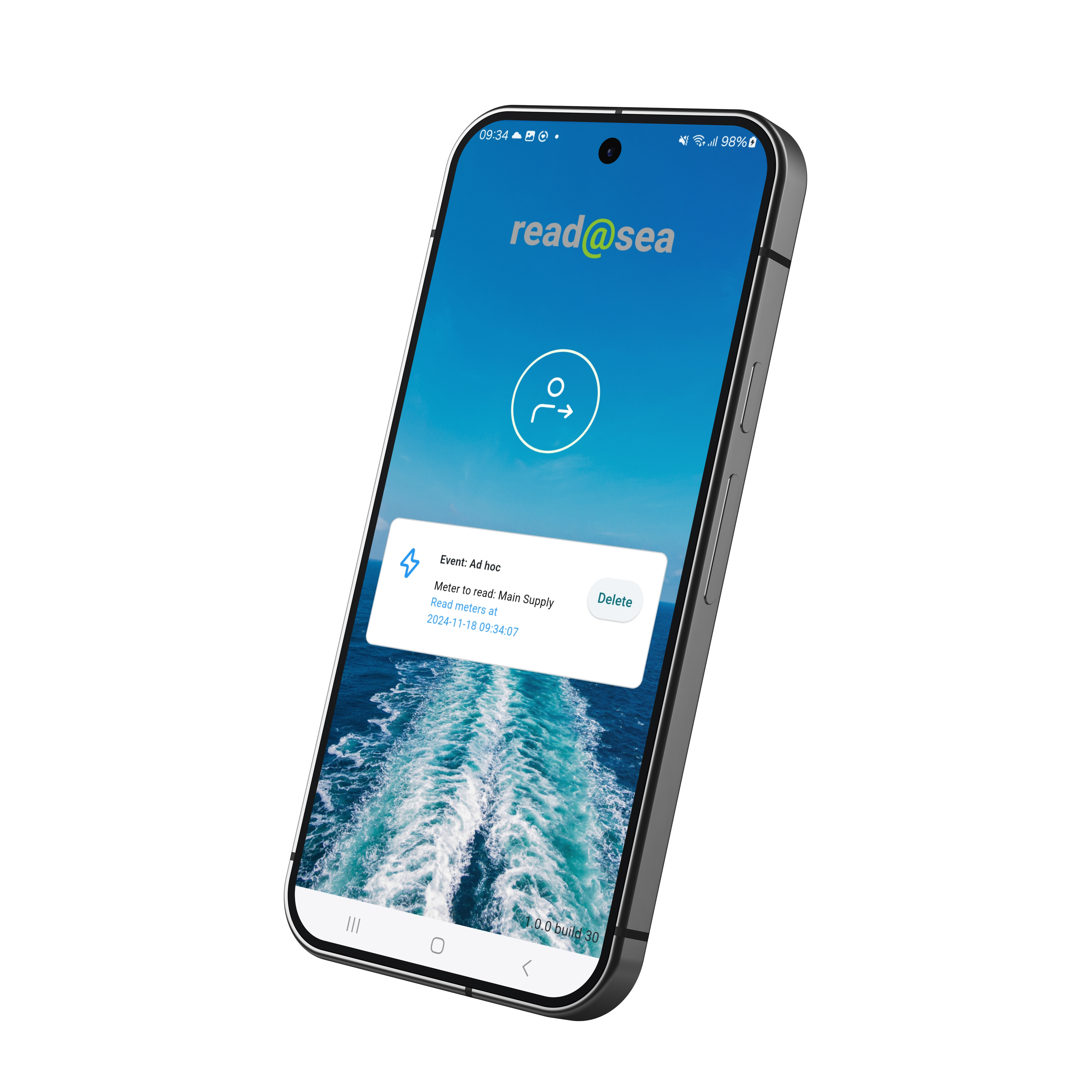
We developed read@sea to correct three critical data quality beliefs threatening the shipping industry's plans to reach net zero by 2050.
Once-per-day manual noon reports
Noon reports are the industry's trusted but highly flawed reporting standard, providing extremely limited frequency and accuracy.
Inaccuracy and bias afflicts noon data
Manually entered numbers are subject to rounding, estimation, and human bias, creating distorted data foundations.
Misplaced faith in post-event calculations
Believing that clever, after-the-event data processing algorithms can somehow rewrite bad input data into accurate, reliable insights.
Why poor data is no longer tolerable
Climate concerns and strict regulations demand major changes. In 2024, the EU extended emissions trading regulations to the shipping industry, with a projected cost of **$10bn/year** by 2026.
This creates new, material and auditable EUA reimbursements between charterers and owners, which require a firm foundation of verifiable data (time, place, fuel type, consumption) to calculate GHG emissions.
The Solution
We offer accurate, twice-verified, and auditable data now, without installing hardware, at a fraction of the cost of alternative options. It is applicable to owners and short/long-term charterers alike.